
Soundscapes by Claudia Haas and Sarah Kraning
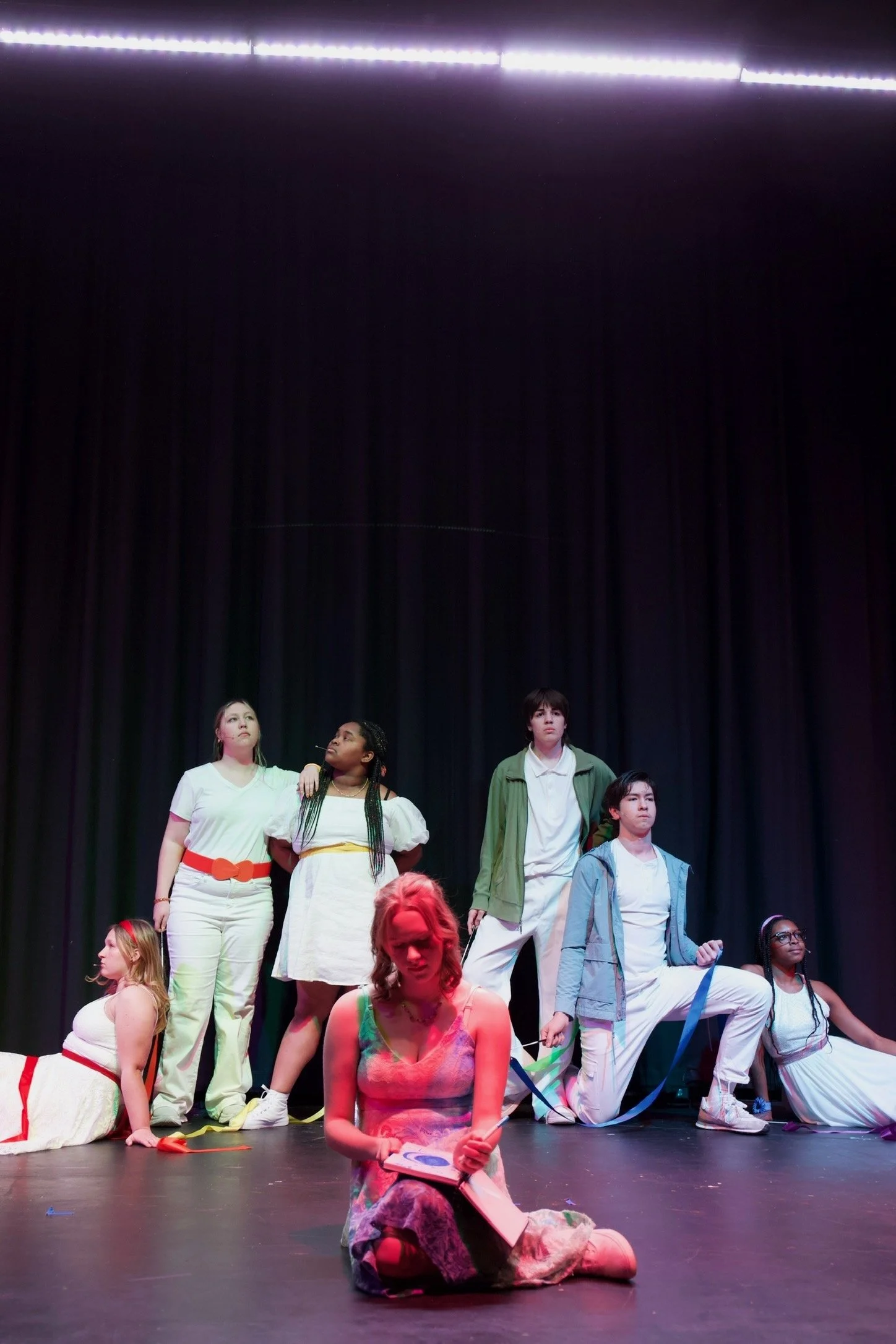
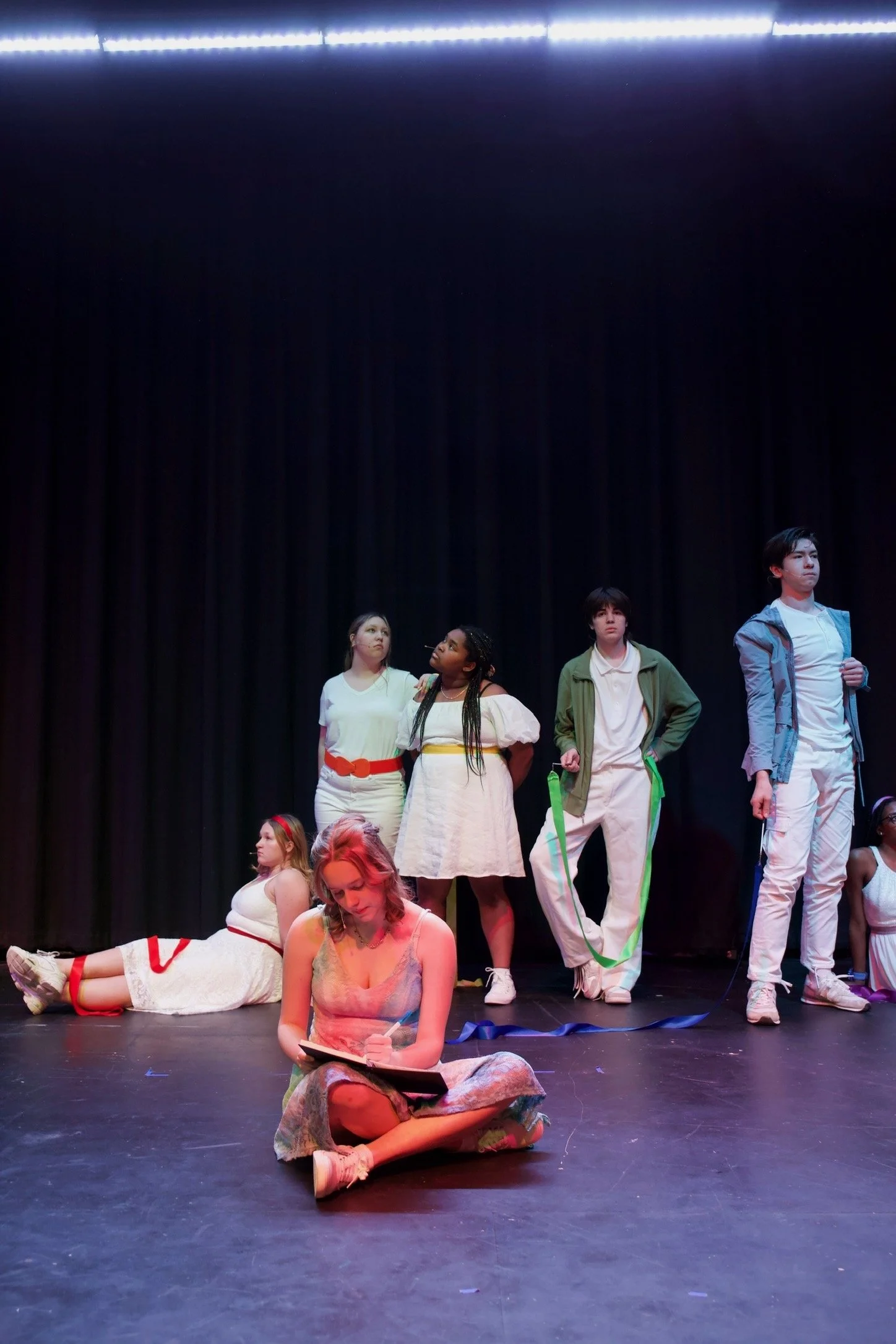
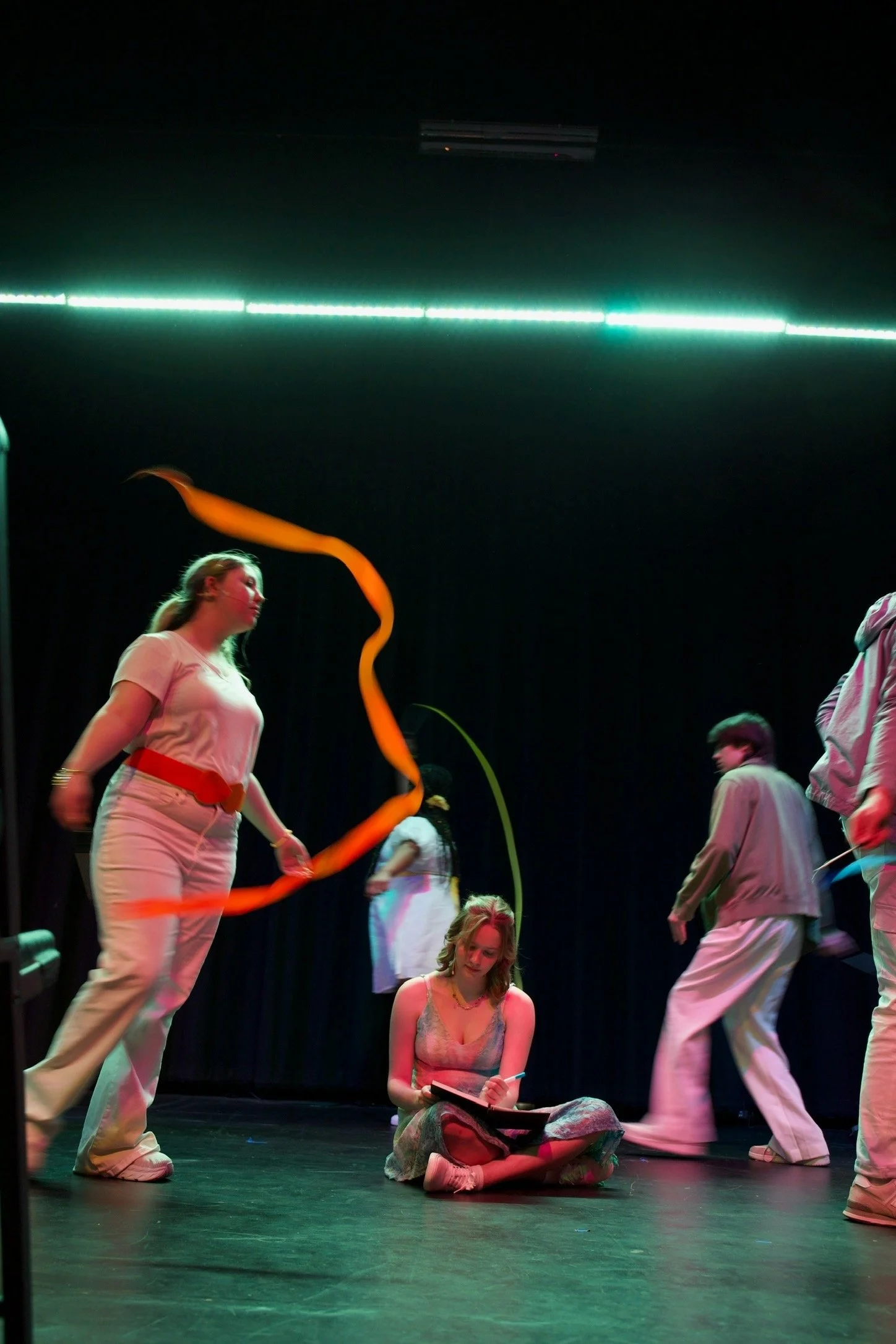
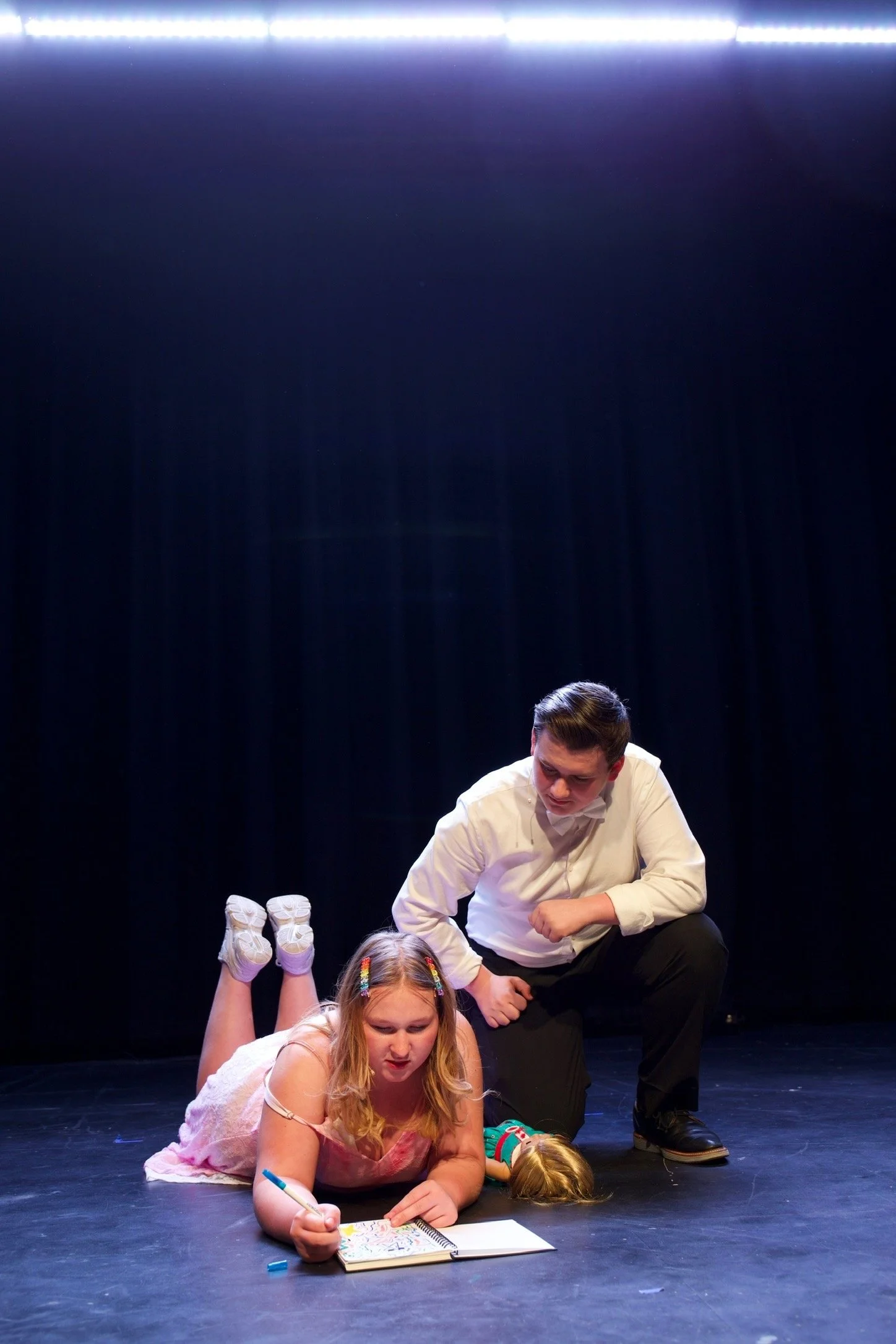
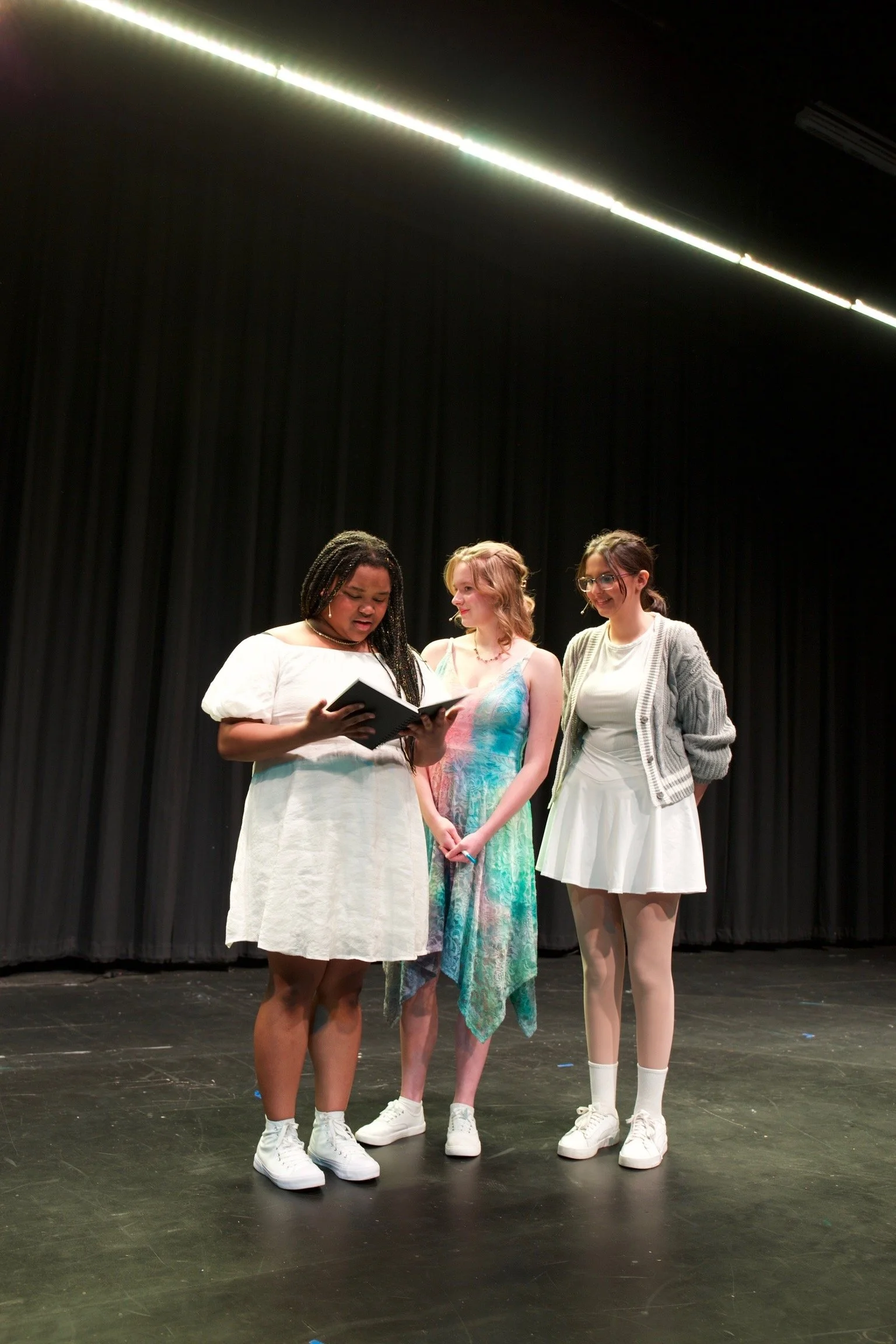
Iris has synesthesia. She has no idea. At first, she simply thinks that everyone sees colors and shapes when music plays, but by the time she's a teenager, it's clear that others don't understand. Struggling to downplay the way she experiences the world, and worrying what it might mean to be different, the young artist is at war with herself until she meets a new friend - and he sees the colors too. An ensemble chorus of colors bring Iris' experience of discovering her neurodivergence to life in this triumphant, visually stunning coming-of-age story.
The idea of being different is unthinkable, imperceivable, or even incompatible to most people. It is the sense of only wanting others to see what you see, or wanting others to be “normal” like they believe they are. The story of Soundscapes explores the life of a high school girl named Iris. She grows up with the perspective that others understand her and what she sees. Iris has a neurological condition called Synesthesia.
Process
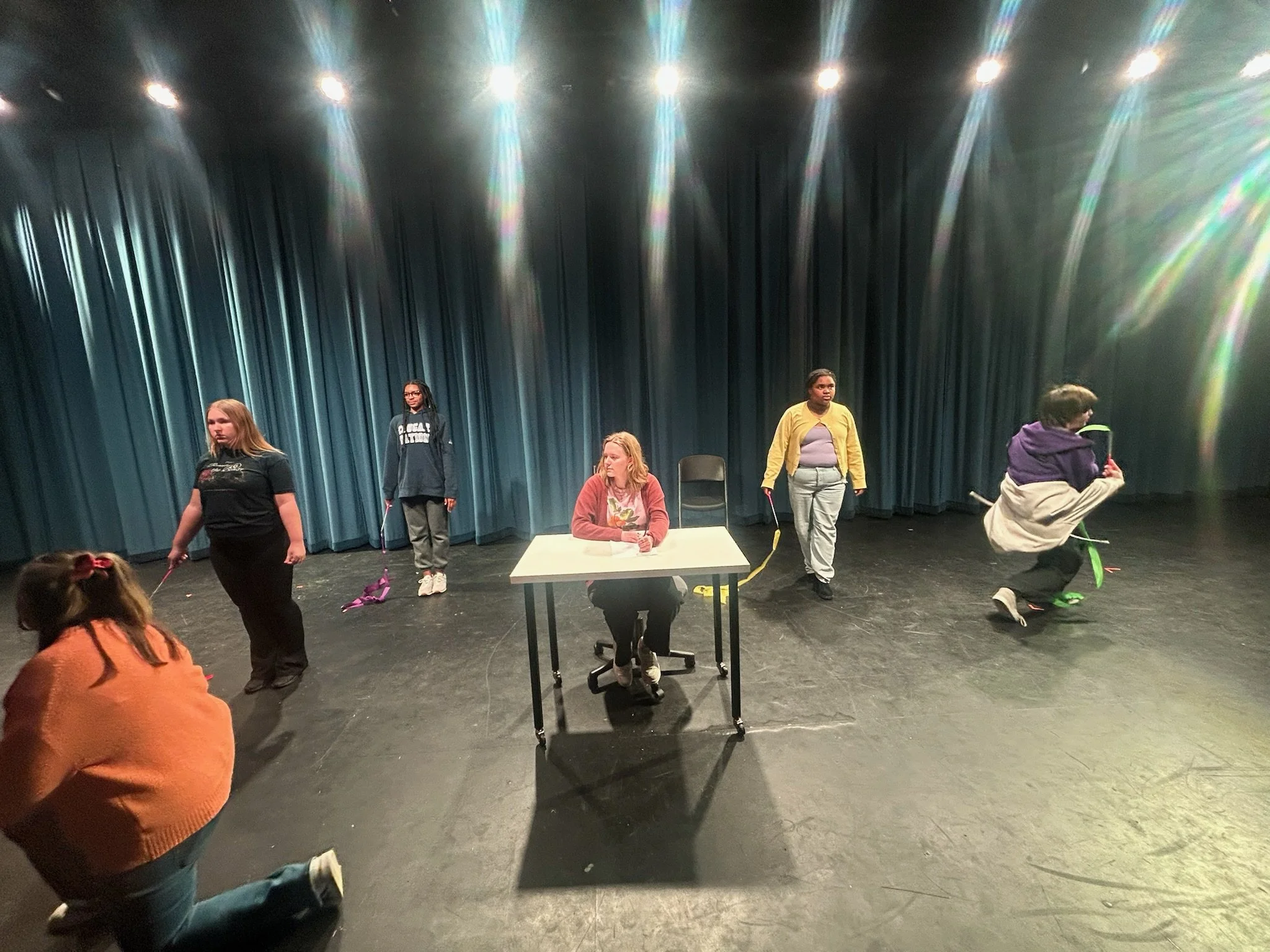
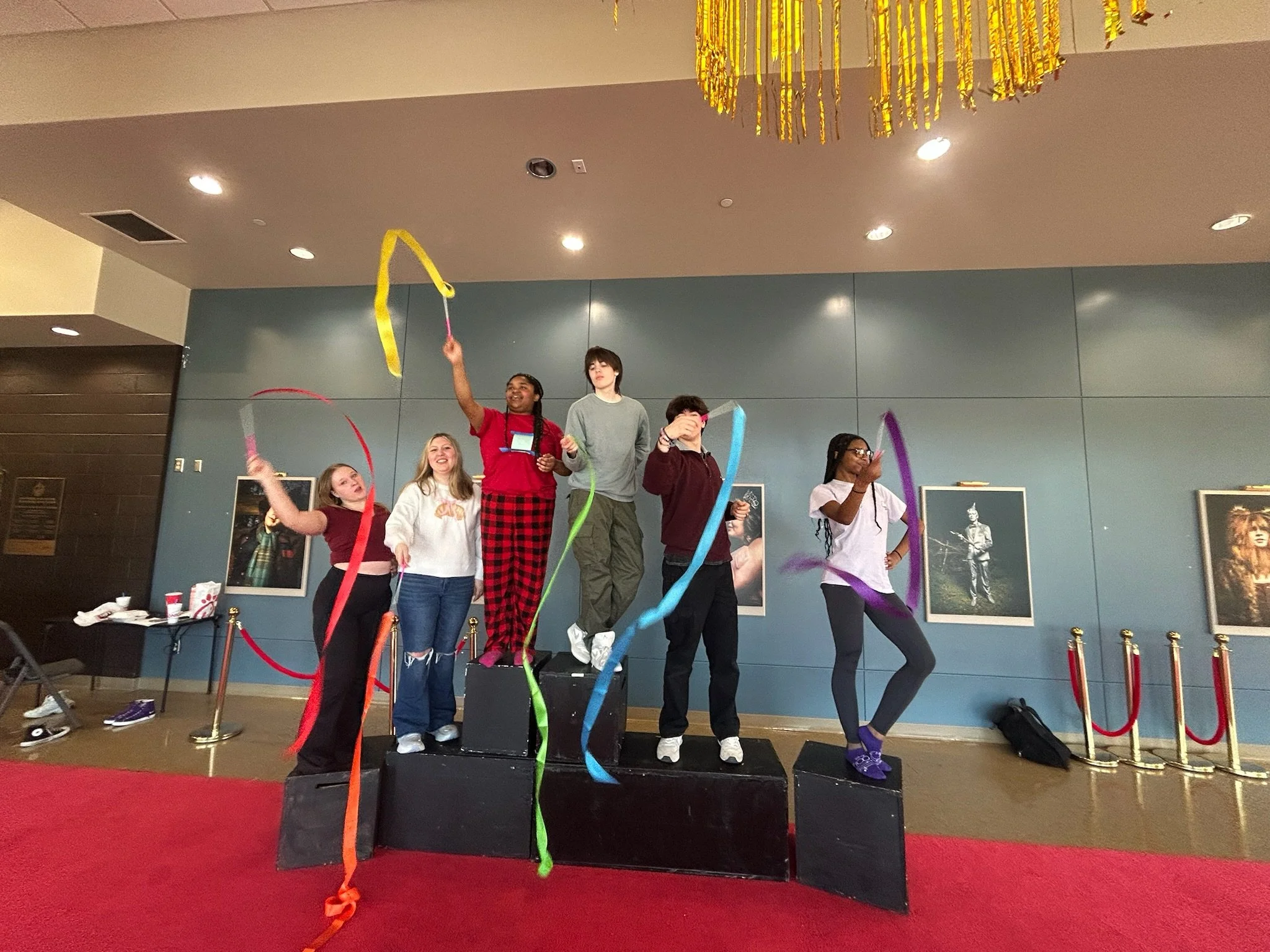
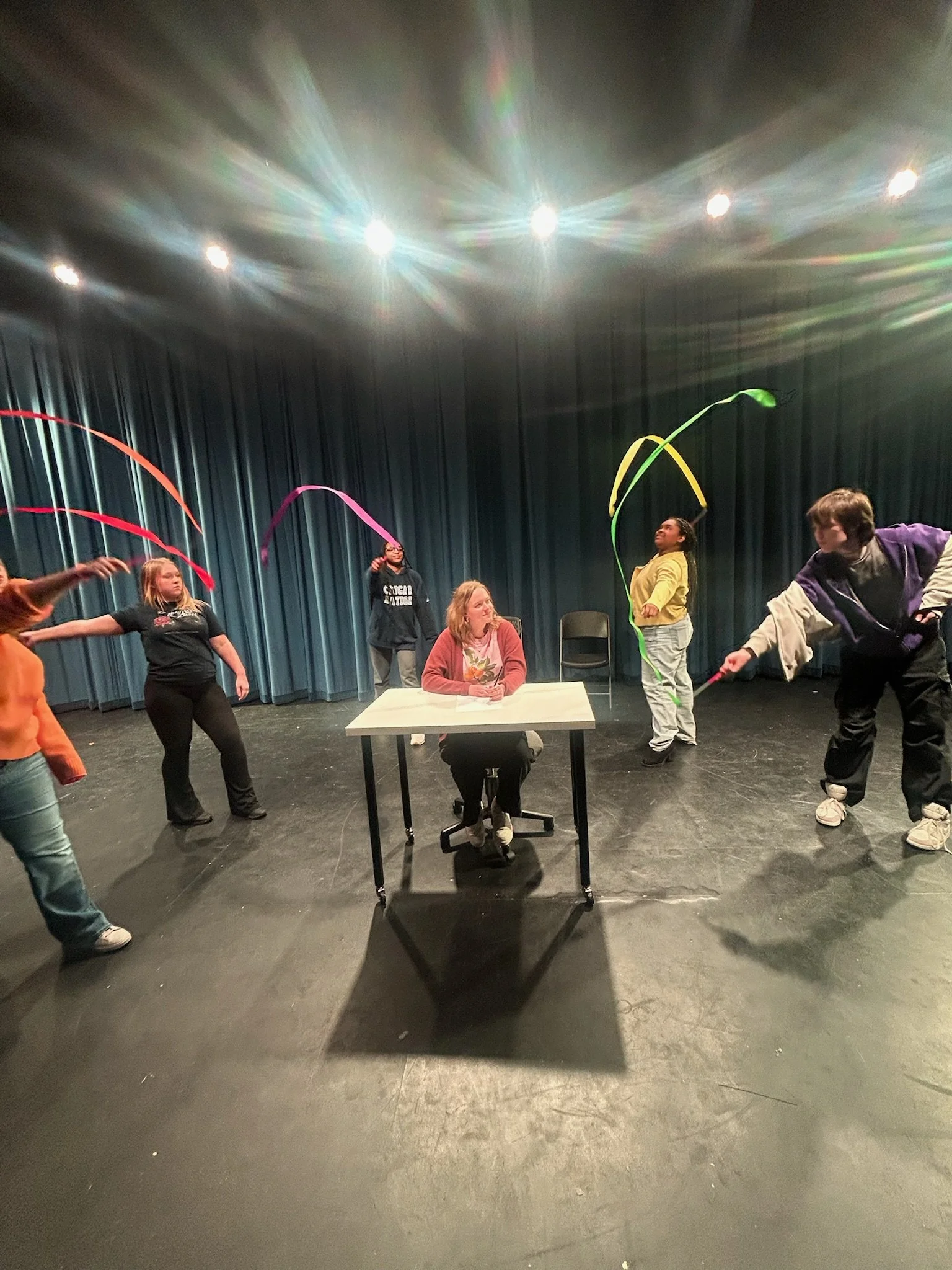
Throughout the process of Soundscapes, it puts you into Iris’s mind and gives the audience a bit of what it feels like inside her brain. By turning our proscenium theatre into a blackbox, we put the audience in an intimate position with the show which kept it personal with the show. We also dressed the ensemble in full white to imitate a cyclorama to absorb the various colors and showcase the ensemble as the colors inside of her mind. We also had to brainstorm how to initiate the movement of the ensemble which took lots of trial and error throughout the process.
What is Chromesthesia?
Synesthesia is a condition where the stimulation of one sense automatically triggers the experience of another, unrelated sense. There are over 100 different known forms of synesthesia with each one being different in how your senses act together. No, it is not an illness or disease. Iris has the type named Chromesthesia which specifically causes sound-to-color associations.
Final Product
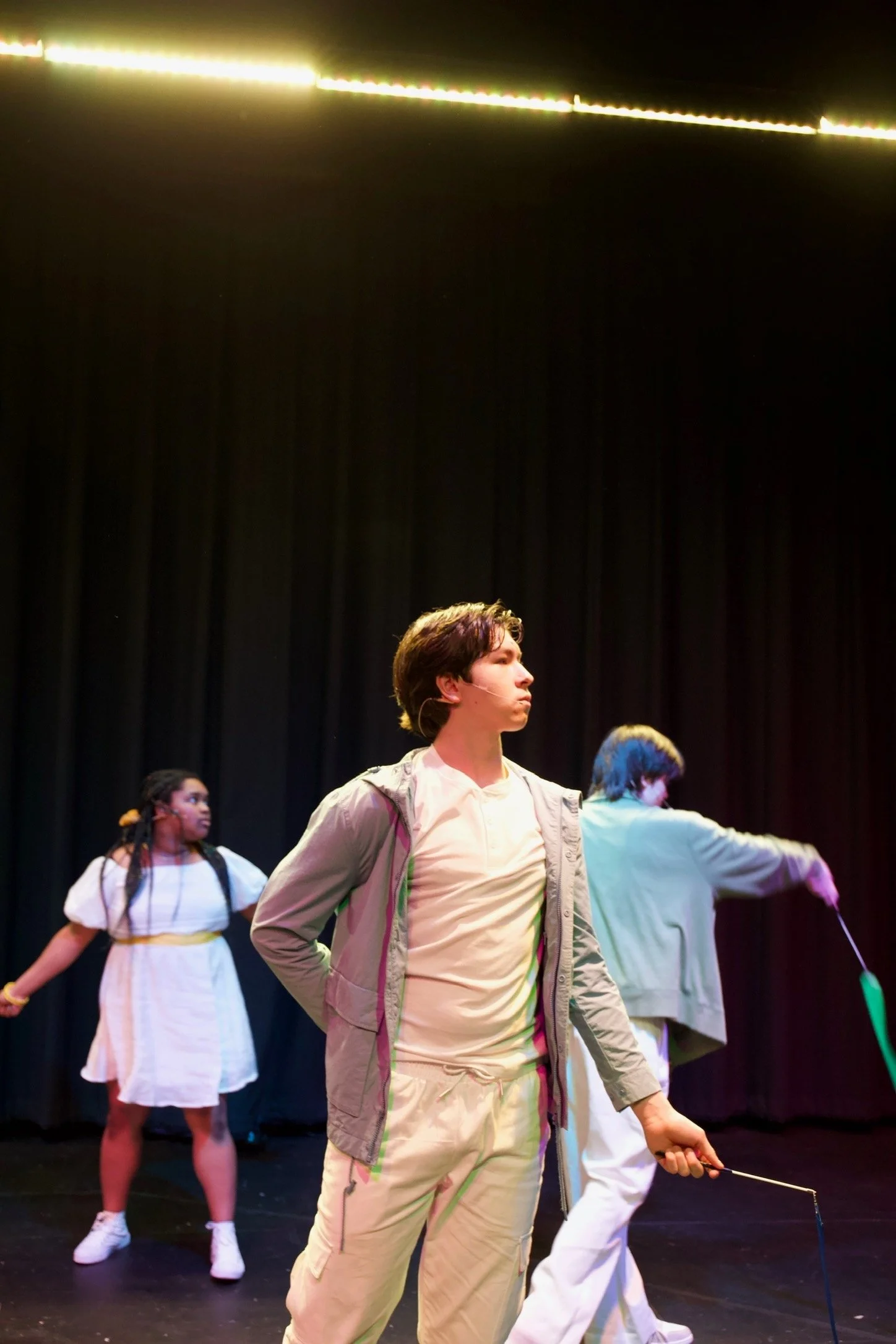
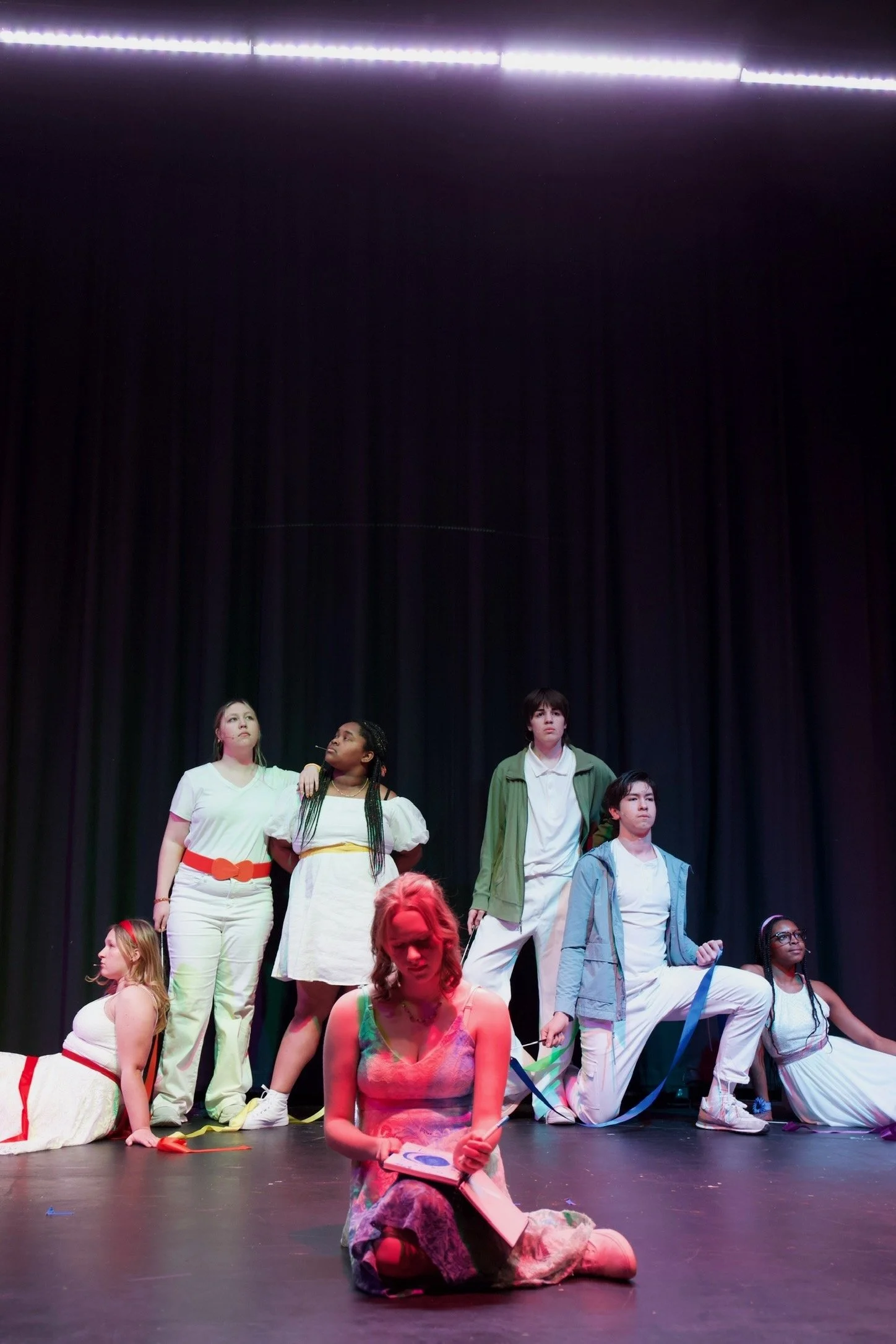
Theatre for Social Justice
How does it apply to Soundscapes and why is it important?
Synesthesia, like many experiences that challenge the norm, has often been misunderstood, dismissed, or minimized, much like the experiences of women. Women who report seeing colors when they hear music or tasting words when they read are frequently met with skepticism or told that their perceptions aren't 'real.' This dismissal echoes a long history where women's pain, intuition, and unique perspectives have been invalidated or labeled as 'hysterical' or 'imaginative.' Society has conditioned us to trust objective, male-dominated standards of perception and knowledge while ignoring or questioning experiences that don't fit into that rigid framework. Synesthesia, with its vibrant blending of senses, defies these binary views of reality, offering a metaphor for how diverse experiences, like those of women and marginalized voices, expand our understanding of the world. By honoring synesthesia as a valid and beautiful way of perceiving, we affirm that women's voices and realities are equally valid. We reject the notion that something is 'unreal' simply because it challenges traditional ways of seeing. In celebrating the richness of synesthetic experiences, we also celebrate the complexity of women’s truths, both seen and unseen, heard and unheard.